Self-Build Planning

Get Your Self-Build Home Project Off The Ground

Obtaining Self-Build Planning Permission

Beginning your self-build journey? Or maybe you’ve hit a planning stumbling block along the way.

Whether you’re starting from scratch on an empty plot of land, replacing an existing property or converting a building, each opens up a world of possibilities, and potential headaches for your perfect property.

The first thing you need to consider is obtaining the self-build planning permission required.

This is where our expertise comes in. With extensive experience in different forms of self-build planning, we’re here to ensure you succeed.
GET EXPERT HELP

Contact our team by completing the form or by using the details below:

Get a Quotation

What is a Self Build Home?

A self-build home, or ‘custom home’, is one where the initial owner has ‘primary input into its final design and layout‘. Meaning you don’t have to physically build your own home, although we have worked with clients who have.

That definition matters, as it could help to leverage planning permission for your project. With the UK lagging behind other countries in terms of the number of self-build houses being constructed, councils have been charged with a ‘duty to grant planning permission’ to increase the figures.

While this doesn’t bypass the need to meet all necessary planning requirements, it stands in your favour, offering a prime opportunity for anyone wanting to build their own bespoke home.

SPEAK TO THE EXPERTS

Case Studies

The following are a sample of interesting or challenging projects.

Straw Bale House Open Countryside
Straw-bale family home in open countryside

Straw-bale family home in open countryside

Replacement dwelling in Green Belt
Re-siting of replacement dwelling with additional floor area in Green Belt

Re-siting of replacement dwelling with additional floor area in Green Belt

Detached Dwelling World Heritage Site
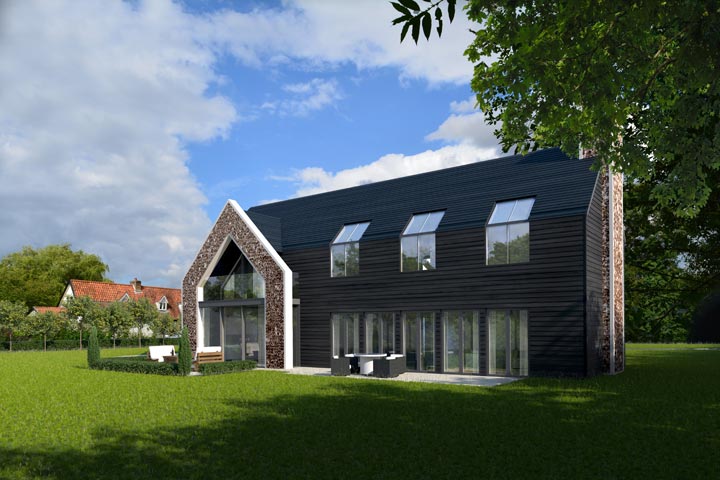
Contemporary detached dwelling in World Heritage Site on constrained site

Contemporary detached dwelling in World Heritage Site on constrained site

Extant permission Agricultural Dwelling
Agricultural workers dwelling using custom build kit house

Agricultural workers dwelling using custom build kit house

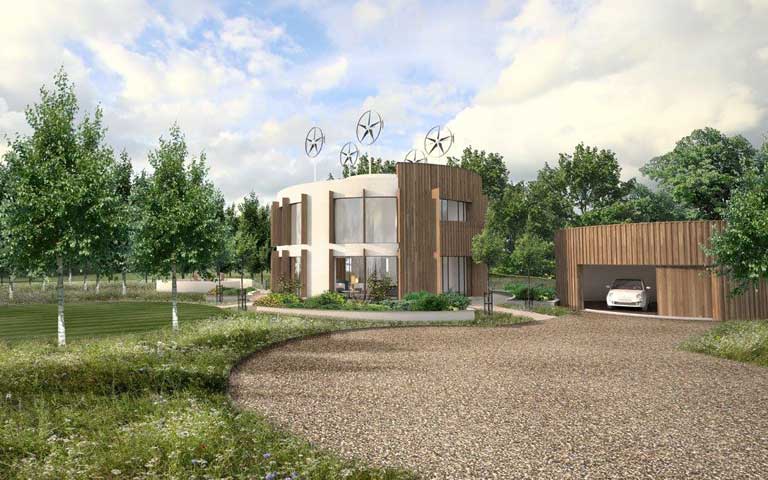
Sustainable straw bale replacement dwelling in Green Belt

Sustainable straw bale replacement dwelling in Green Belt

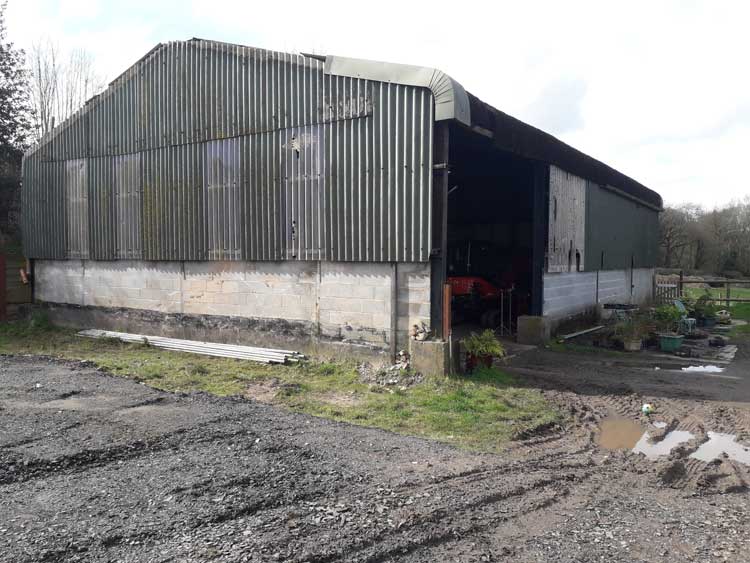
Reconstruction of the existing barn to create a single dwelling house

Reconstruction of the existing barn to create a single dwelling house

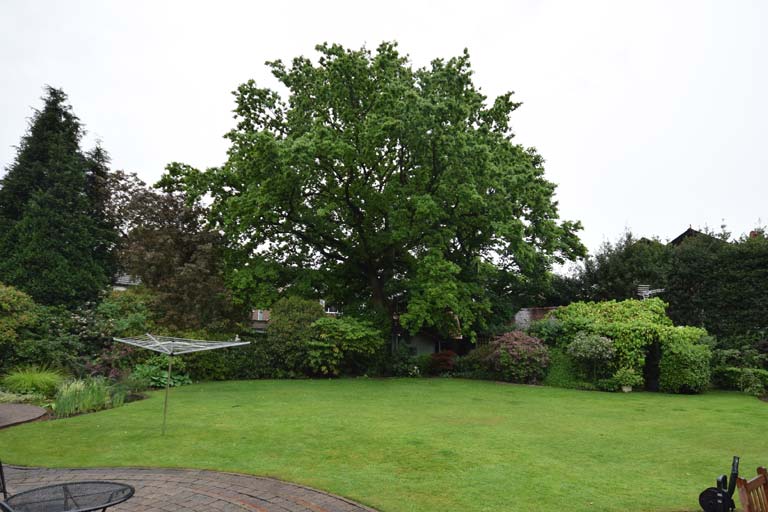
Development of single dwelling on a backland and garden plot

Development of single dwelling on a backland and garden plot

Replacement c. 4,500 contemporary dwelling, substantially increasing the size of the original, including raised ridge height.
Replacement c. 4,500 contemporary dwelling, substantially increasing the size of the original, including raised ridge height

Replacement c. 4,500 contemporary dwelling, substantially increasing the size of the original, including raised ridge height

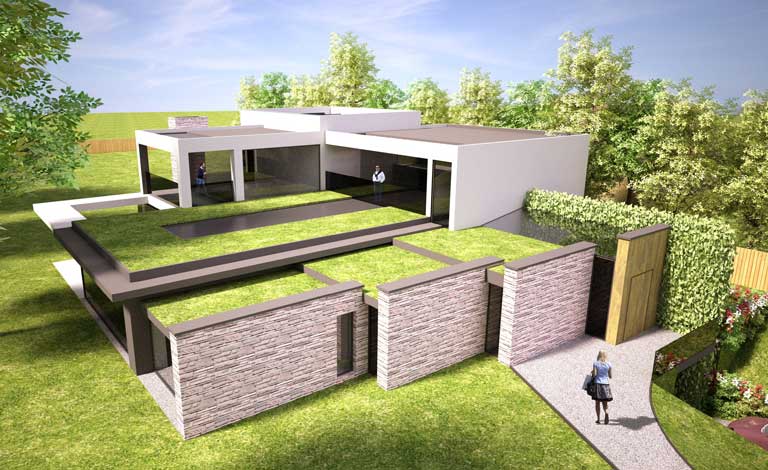
c.10, 000 sq ft contemporary dwelling, with leisure suite, on garden land outside of settlement boundary
c.10,000 sq ft contemporary dwelling, with leisure suite outside of settlement boundary

c.10,000 sq ft contemporary dwelling, with leisure suite outside of settlement boundary

Paragraph 80
NPPF Paragraph 79 Home approval following previous Consultants refusal

NPPF Paragraph 79 Home approval following previous Consultants refusal

New dwelling in open countryside on agricultural field

New dwelling in open countryside on agricultural field

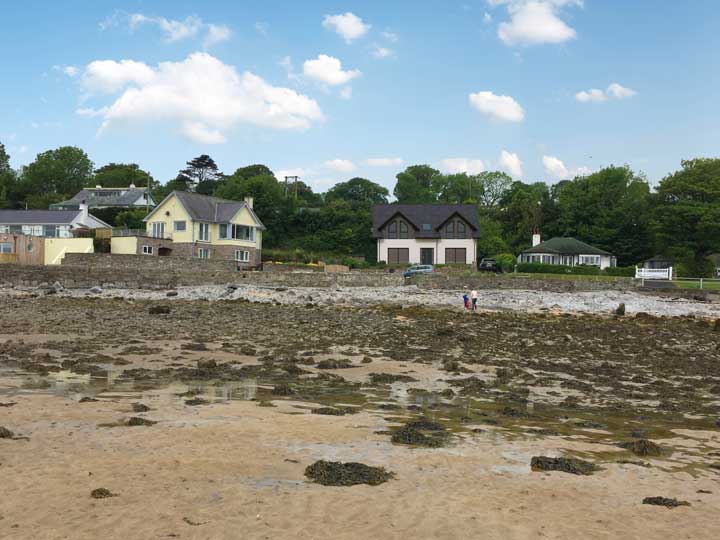
Replacement beach front dwelling, with additional first floor accommodation

Replacement beach front dwelling, with additional first floor accommodation

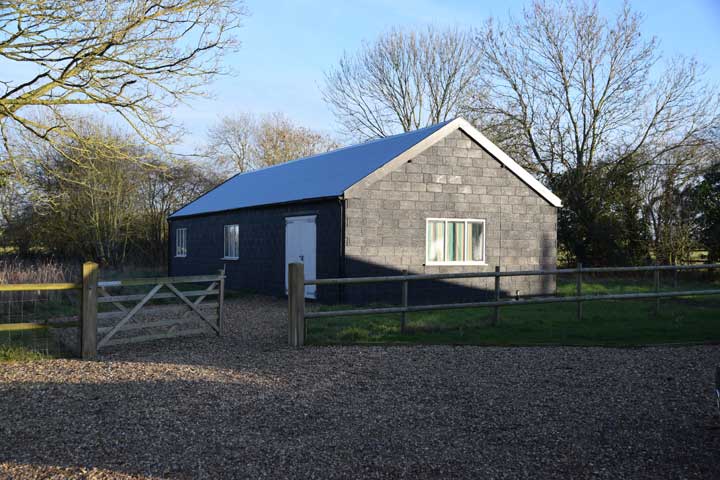
Conversion of existing rural outbuilding into self-contained dwelling house
Conversion of existing rural outbuilding into self-contained dwelling

Conversion of existing rural outbuilding into self-contained dwelling

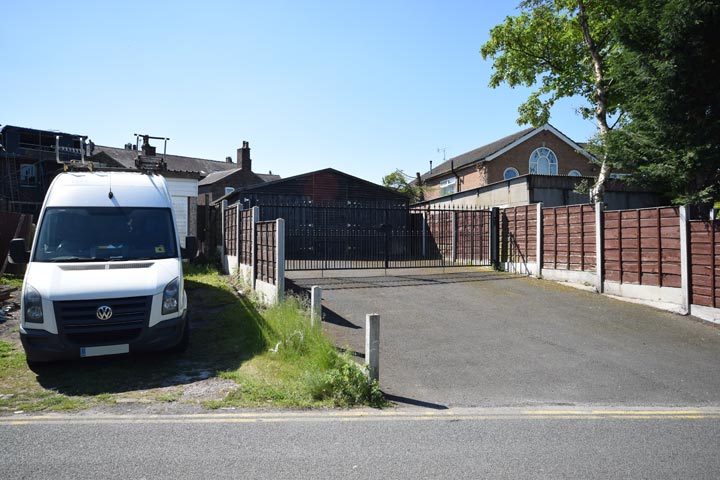
Backland development of a detached two bedroom dwelling on a tight plot

Backland development of a detached two bedroom dwelling on a tight plot

Large two-storey replacement contemporary dwelling, following a substantial house extension to a 1. 5 story house, in open countryside contrary to local policy.
Large replacement contemporary dwelling in open countryside contrary to local policy.

Large replacement contemporary dwelling in open countryside contrary to local policy.

Backland Self Build House
Redevelopment of site including new backland House with modernising and extension of existing bungalow

Redevelopment of site including new backland House with modernising and extension of existing bungalow

NPPF Paragraph 79 Home
Paragraph 79 Home following demolition of a Grade II Listed structure

Paragraph 79 Home following demolition of a Grade II Listed structure

Parbold
Replacement home in the Green Belt

Replacement home in the Green Belt

1227
NPPF Paragraph 55 Dwelling House planning permission in open countryside

NPPF Paragraph 55 Dwelling House planning permission in open countryside

1222
Materially Larger (300%) Green Belt Replacement Dwelling in Cheshire

Materially Larger (300%) Green Belt Replacement Dwelling in Cheshire

self-build-house-backland
Self-build house on backland site

Self-build house on backland site

residential-development-of-dwellings-on-garden-land
Residential development of dwellings on garden land

Residential development of dwellings on garden land

What self-build home development options are there?

There are several different types of self-build house developments, and we’ve worked on them all.

Each gives you the opportunity to create something unique – but comes with its own self-build planning limitations:

  • Replacement Dwelling – Demolishing an existing building and replacing it with a larger one
  • Backland development – Constructing to the rear of an existing building line, for example, in a back garden
  • Infill development – Filling a gap in a built-up frontage.
  • Edge of settlement – Building on the edge of an existing built-up area, especially within local authority areas where housing supply requirements aren’t being met
  • Conversion and change of use – Converting an existing office, retail unit, industrial unit or barn into a self-build house

We also have significant experience in Paragraph 79/ 80 (previously para 55) Homes. Discover more on our dedicated case studies page.

Get Expert Help

How difficult is it to obtain planning permission for a self-build home?

Get the process right and going down the self-build route is very rewarding. Our expert guidance helps you reach that satisfying destination.

You will encounter bumps in the road, but we help you navigate them smoothly.

When you work with Plande we take the following into consideration, while professionally supporting your application:

Location Context

Planning success depends very much on your location. Especially if it’s in Green Belt, or a Conservation Area, outside of an existing settlement, on garden land or on a backland/tandem site.

Each location type comes with its own strict self-build planning issues. These need to be fully understood when compiling your application.

Design context

While many new-builds are architecturally different to surrounding houses, they need to be approved by the local planning authority. For the best success your new build house needs to be both aesthetically attractive, and sympathetic to the local character and setting.

If designed ‘correctly’, self-build houses often sit better than conventional buildings in their surroundings. We help you define what ‘correctly’ means for your project.

Residential Amenity

A self-build home should not detrimentally impact its neighbours. This includes privacy, daylight, noise, outlook and ecological impact.

We make sure those requirements are covered when drafting your planning application.

Technical standards

Your application needs to look professional, with detailed architectural drawings. It needs to include comprehensive reports showing evidence you’ve met all the necessary criteria.

With in-depth planning policy knowledge, Plande evaluates your proposal to devise a strategy for success. One that allows you to move forward with your project.

CONTACT THE PROFESSIONALS

Choose Plande – the self-build planning specialists

Plande has worked on scores of projects since our inception in 2007, covering planning authorities across the UK.

Explore our case studies on the right, to see how our experience and expertise have overcome a range of different issues, including successfully obtaining self-build planning permission at appeal.

As members of the National Custom and Self Build Association (NaCSBA), we support their mission to “make custom and self-build houses a mainstream choice for everyone seeking a home of their own”.

We’d love to support you.

CONTACT US FOR SPECIALIST GUIDANCE
National Custom and Self Build Association (NaCSBA) - Plande

Disclaimer: This page provides an introduction only and is not a definitive statement of the law and should therefore not be relied upon. The information above relates to England only. Policies across the rest of the UK may differ. Contact your Local Planning Authority for advice and confirmation before any works are carried out. All images used are for illustrative purposes only. Read the full disclaimer here.

Get in touch

Whether you need an expert on your team to secure permission for a unique self-build home, our fresh planning insights will help you achieve your goal.